Featured
The Best Guide To Documents to Gather When Pursuing Bankr...
The Of "Financial Recovery After Divorce: How Specialty C...
Post-Bankruptcy Services Including Community Resources Fu...
Post-Bankruptcy Programs and Peer Support - Truths
Table of Contents
That maximizes money in the short-term, and you may have 3 to 4 years to save towards the settlement quantity. Extremely unsafe to credit rating, primarily as a result of missed out on settlements and an unfavorable "resolved" mark that might remain on your credit rating report for approximately seven yearsMay be only option if other options (financial obligation loan consolidation, balance transfer bank card, financial debt forgiveness) aren't possibleTypically needs a cost to the third event, which can offset some or every one of the financial savings from debt settlementMay aid you prevent insolvency if you've missed out on numerous paymentsNot all creditors function with debt negotiation companies Financial obligation mercy may be ideal for you if you are experiencing an economic difficulty that makes it almost impossible to pay for your financial obligation equilibriums.
With a DMP, you make one regular monthly payment to the credit report counseling firm. Those funds are then distributed to lenders of your unsecured financial debts, such as charge card and installment lendings. The firm deals with your lenders to lower rate of interest prices or forgo charges, however some creditors may reject such giving ins.
It can aid you pay down financial obligation if you're able to secure a funding rate that's lower than the ordinary price of the accounts you're combining. You must refrain from racking up financial obligation on those recently gotten rid of accounts or your financial obligation might grow also greater.

That gives you lots of time to get rid of or dramatically lower your equilibrium while making interest-free repayments.
Getting My Emerging Regulations Influencing I’m Not Behind on Payments Yet. Can I Still Enroll in a Debt Relief Program? : APFSC Availability To Work
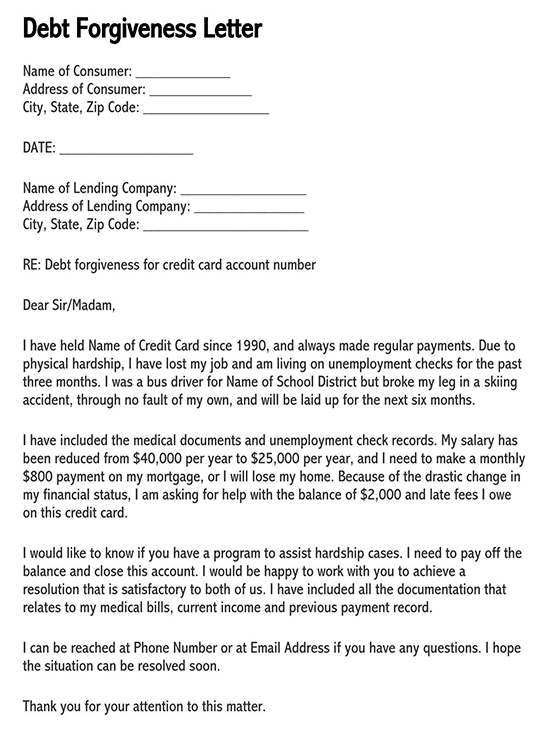
You may require it if your lender or a debt collector ever tries to collect on the debt in the future. The letter could prove you do not owe what the collection company's documents reveal. Yes, in a lot of cases, the internal revenue service takes into consideration forgiven debt as gross income. When a lender forgives $600 or even more, they are needed to send you Type 1099-C.
Debt mercy or negotiation practically always injures your credit history. Anytime you settle a debt for much less than you owe, it might appear as "resolved" on your credit report and impact your credit report rating for 7 years from the date of negotiation. Your debt can additionally go down substantially in the months bring about the mercy if you drop behind on payments.
Ways to Connect With I’m Not Behind on Payments Yet. Can I Still Enroll in a Debt Relief Program? : APFSC Experts with Your Debt Forgiveness Process Things To Know Before You Get This
This circumstance typically results from underreporting earnings, not submitting returns on time, or inconsistencies discovered during an IRS audit. The effects of building up tax obligation financial debt are serious and can consist of tax liens, which offer the IRS a legal case to your building as protection for the financial debt.
Higher rates of interest on readily available credit scores. Salaries and Bank Accounts internal revenue service can levy (confiscate) salaries and savings account to satisfy the financial obligation. Minimized income and interruption of crucial financial procedures. Residential or commercial property Seizure In extreme cases, the IRS can take and offer residential or commercial property to cover the financial obligation. Loss of beneficial possessions and prospective variation.
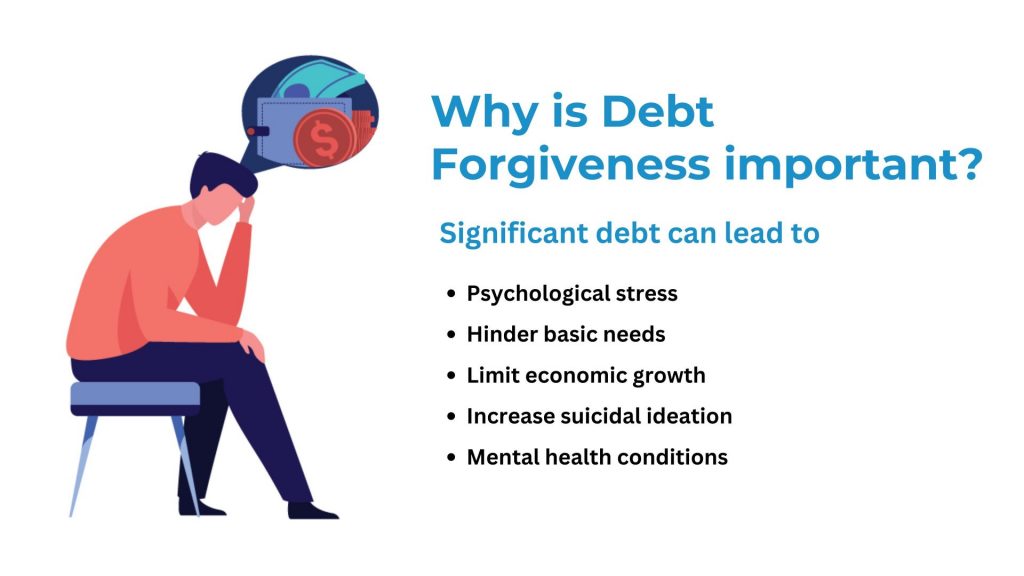
Clinical depression, anxiousness, and various other psychological health and wellness issues. Social Preconception Dealing with lawful activity from the IRS can carry social stigma. Damage to credibility and partnerships. Work Opportunities An inadequate credit rating score due to exhaust financial obligation can restrict job opportunity. Trouble searching for or keeping a work. Federal government Benefits Tax obligation debt might influence eligibility for federal government advantages, such as Social Security and Medicaid.
Prevalent Misconceptions About Debt Forgiveness for Dummies
The OIC considers a number of variables, including the taxpayer's income, expenditures, possession equity, and ability to pay. Efficiently negotiating an OIC can be complex, needing a detailed understanding of the IRS's standards and a strong debate for why your offer straightens with your capacity to pay. It is essential to keep in mind that not all applications are accepted, and the procedure needs detailed financial disclosure.
The IRS evaluates your total financial circumstance, including your income, expenses, asset equity, and capability to pay. You have to additionally be existing with all declaring and payment needs and not remain in an open insolvency proceeding. The IRS additionally considers your conformity history, assessing whether you have a record of prompt filing and paying taxes in previous years.
The 8-Minute Rule for Lasting Effects on I’m Not Behind on Payments Yet. Can I Still Enroll in a Debt Relief Program? : APFSC Choices
The application process for a Deal in Concession entails several detailed actions. You need to finish and submit IRS Form 656, the Offer in Concession application, and Form 433-A (OIC), a collection info declaration for people. These types need detailed economic info, including information concerning your income, financial obligations, costs, and assets.
Back taxes, which are unsettled taxes from previous years, can significantly increase your overall internal revenue service financial obligation otherwise addressed quickly. This debt can build up interest and late settlement penalties, making the initial quantity owed much bigger gradually. Failing to pay back taxes can lead to the IRS taking enforcement activities, such as releasing a tax obligation lien or levy versus your building.
It is necessary to address back tax obligations asap, either by paying the total owed or by preparing a settlement plan with the IRS. By taking aggressive steps, you can stay clear of the build-up of extra interest and charges, and stop a lot more hostile collection activities by the IRS.
One common reason is the belief that the taxpayer can pay the sum total either as a round figure or through a layaway plan. The internal revenue service also takes into consideration the taxpayer's income, costs, property equity, and future earning capacity. If these variables indicate that the taxpayer can afford to pay more than the provided amount, the internal revenue service is most likely to decline the offer.
The Main Principles Of How Tech Improving Bankruptcy Services
It is crucial to offer precise and total details in your application and to seek advice from with a tax obligation professional to improve the possibilities of approval. Handling IRS financial debt can be complicated and overwhelming. Tax obligation experts, such as Certified public accountants, tax attorneys, or signed up representatives, can supply indispensable aid. They have the competence to browse the details of tax legislation and IRS procedures.

Table of Contents
Latest Posts

The Best Guide To Documents to Gather When Pursuing Bankruptcy Counseling
The Of "Financial Recovery After Divorce: How Specialty Counseling Helps You Untangle Joint Debt Is Shameful" Debunked
Fascination About Permanent Impact on Your Credit Score
More
Latest Posts
The Best Guide To Documents to Gather When Pursuing Bankruptcy Counseling
The Of "Financial Recovery After Divorce: How Specialty Counseling Helps You Untangle Joint Debt Is Shameful" Debunked
Fascination About Permanent Impact on Your Credit Score